keeping the lights on
notes on 37:7 。★。 justifying public infrastructure

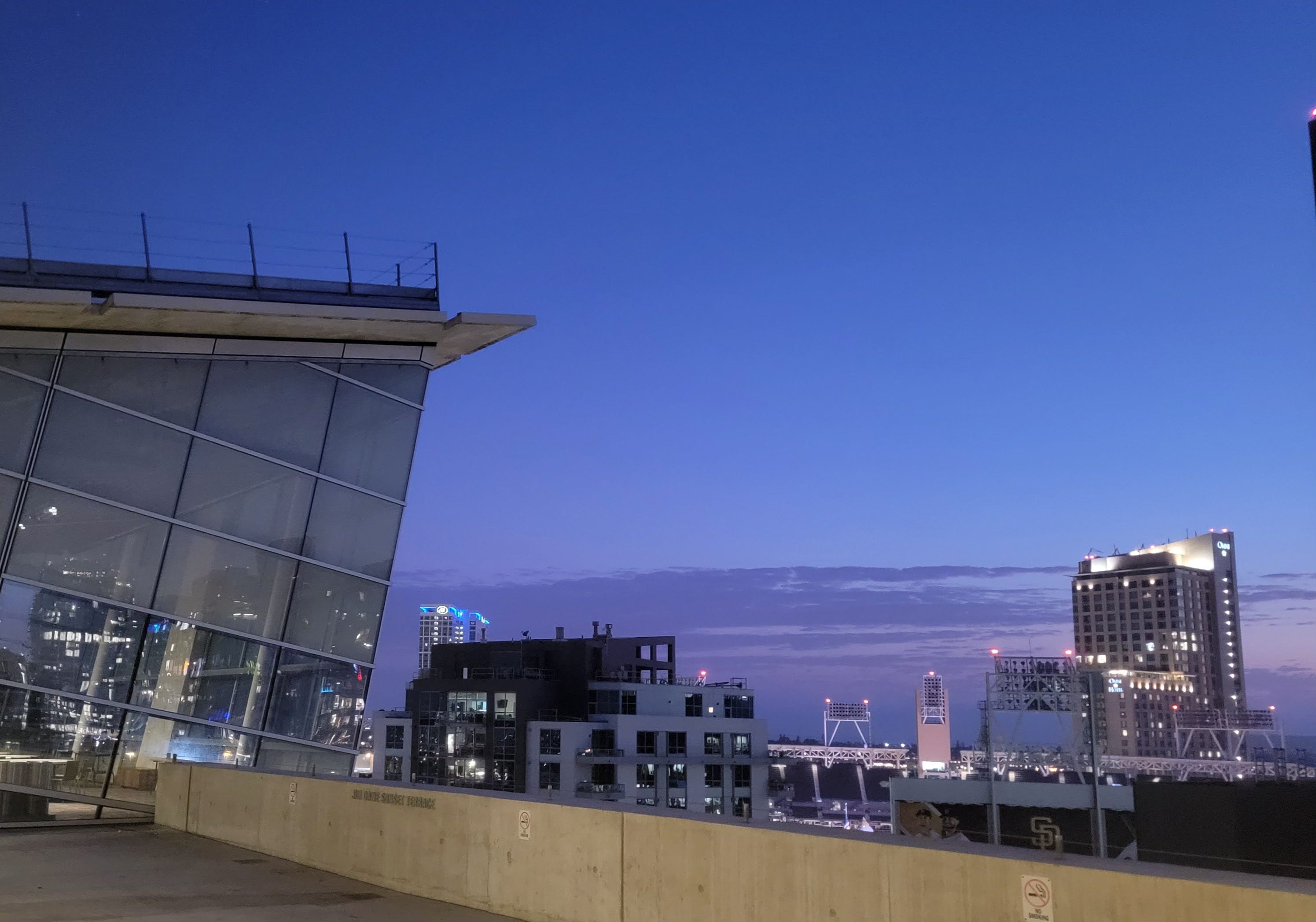
the greatest lie a library advocate can tell is that the library is free and open to all.
public libraries are conditionally public, not universally open. libraries do not offer unlimited access to knowledge. they offer access to a curated selection of materials, services, and spaces, governed by policy, funding constraints, and social contracts. pretending otherwise obscures the real conditions under which people are granted access.
clarity about these limits allows library workers to act with greater honesty and care. people need care. systems need clarity. these limits matter in the context of the lengths we are willing to go to bend or change them to help someone.
due to ongoing annual budget cuts from city administration, library workers are required to spend significant effort quantifying attendance, patron satisfaction, and program outcomes to justify our existing open hours and days of service.
reductions have already limited libraries to six days per week and threaten further cuts to five, directly impacting programming, staffing, and public access. as a result, availability itself has become conditional, requiring constant proof of use rather than being treated as a foundational responsibility of civic infrastructure.
public institutions should be evaluated by the quality of conditions they maintain, not the outcomes individuals extract from them. building for outcomes removes humanity from library work. our role is not to teach or improve people. we are there to hold, allow, and host them within our space. learning outcomes and deliverables cannot measure public infrastructure.
you wouldn’t want to measure the quality of a bridge by the amount of people who walked across it. or those who had “perfect” experiences, or whether they feel transformed on the other side. you measure its safety, sturdiness, cleanliness, and accessibility. you measure whether it will still be there tomorrow. a bridge can be successful even if no one crosses it. the value is availability, not output.
libraries are not responsible for what someone learns, how they improve, or whether they change their lives. they are responsible for being there.
public infrastructure exists because linear, causal assumptions about human behavior fail. it does not exist to produce predictable outcomes or enforce individual responsibility. personal change is not linear, controllable, or guaranteed. libraries operate under the same reality.
we can list metrics, outputs, and deliverables to financially justify our existence indefinitely. the central library alone serves an average of 5,000 visitors per day. our adult high school diploma program alters the lives of over 50 students annually. we issue more than 80,000 library cards and circulate over 6 million materials each year.
none of this matters if libraries are not consistently available to the public. availability is our service. without it, all other measures are meaningless. in this city, libraries function as civic refuge. they are used daily by unhoused residents as safe, accessible, indoor public space. the central library, in particular, is widely known as a place where people can remain safe, warm, and away from harm.
keeping libraries open is not optional. it is a civic duty.
it is the responsibility of city leadership to ensure libraries are available every day of the week, rain or shine. when they are not, it represents a failure of civic infrastructure. more than that, it represents a failure of our collective responsibility to care for the people who rely on it.
i am calling on mayor todd gloria to provide the san diego public library with a full, robust budget in this upcoming fiscal year, sufficient to restore seven-day service at all 37 library branches and uphold the library’s role as the backbone of our city.